Introduction
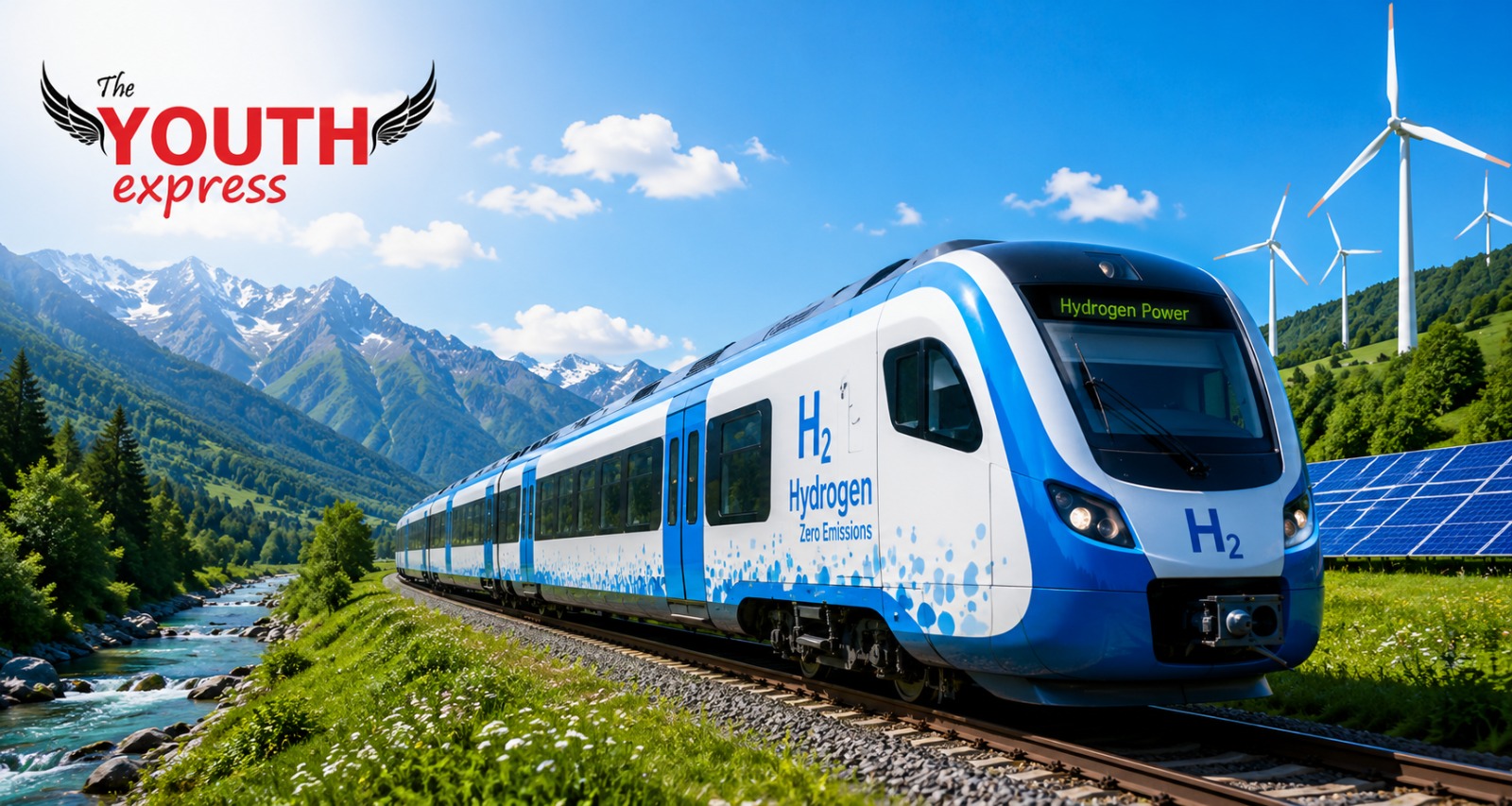
As the world moves toward cleaner and more sustainable transportation, hydrogen-powered trains are becoming an exciting innovation. These trains offer an eco-friendly alternative to traditional diesel trains by producing only water vapor instead of harmful emissions. With countries investing in green technology, hydrogen trains are expected to play a major role in the future of rail transport.
What Are Hydrogen-Powered Trains?
Hydrogen-powered trains use hydrogen fuel cells to generate electricity that powers the train's motors. Instead of burning diesel fuel, the fuel cell combines hydrogen with oxygen from the air to produce electricity. The only byproducts are water and heat, making this technology environmentally friendly.
Benefits of Hydrogen Trains
1. Zero Harmful Emissions
Unlike diesel trains, hydrogen-powered trains do not release carbon dioxide or other harmful pollutants. This helps reduce air pollution and supports global climate goals.
2. Environmentally Friendly
Hydrogen trains are an excellent option for creating greener transportation systems. When powered by green hydrogen produced from renewable energy, they become an even more sustainable solution.
3. Lower Noise Pollution
Hydrogen trains operate much more quietly than diesel locomotives, making travel more comfortable for passengers and reducing noise in nearby communities.
4. Ideal for Non-Electrified Routes
Many railway lines are not electrified because installing overhead power lines is expensive. Hydrogen trains can run efficiently on these routes without requiring major infrastructure changes.
Challenges
Despite their advantages, hydrogen-powered trains still face some challenges. Producing green hydrogen remains expensive, and many countries need more hydrogen refueling stations. However, ongoing investments and technological improvements are expected to reduce these costs in the coming years.
Countries Using Hydrogen Trains
Several countries have already started testing or operating hydrogen-powered trains.
Germany was one of the first to introduce hydrogen passenger trains.
France and the United Kingdom are investing in hydrogen rail projects.
India is also exploring hydrogen-powered trains to support its clean energy and sustainable transport goals.
These developments show that hydrogen rail technology is gaining global attention.
The Future of Green Transport
As governments continue investing in renewable energy and cleaner transportation, hydrogen-powered trains are likely to become more common. They can help reduce dependence on fossil fuels, lower greenhouse gas emissions, and provide a cleaner travel experience for millions of passengers.
Although challenges remain, continuous innovation and infrastructure development will make hydrogen trains more practical and affordable in the future.
Conclusion
Hydrogen-powered trains represent an important step toward sustainable transportation. Their ability to produce zero emissions, reduce noise, and operate on existing railway lines makes them a promising alternative to diesel trains. As technology advances, hydrogen-powered trains are expected to become a key part of the world's green transport system, helping create a cleaner and healthier future.
If your child enjoys learning about science, technology, and the environment, exploring a kids newspaper in India is a great way to build curiosity and real-world knowledge.The Youth Express
FAQs
1. What is a hydrogen-powered train?
A hydrogen-powered train uses hydrogen fuel cells to generate electricity instead of diesel fuel.
2. Do hydrogen trains produce pollution?
No. They mainly produce water vapor and heat, making them environmentally friendly.
3. Which countries are using hydrogen trains?
Germany, France, the United Kingdom, Japan, and India are investing in hydrogen rail technology.
4. Why are hydrogen trains important?
They help reduce carbon emissions, improve air quality, and support sustainable transportation.